


History of Chianti Classico
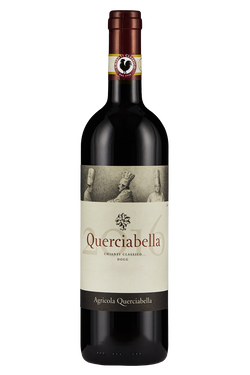
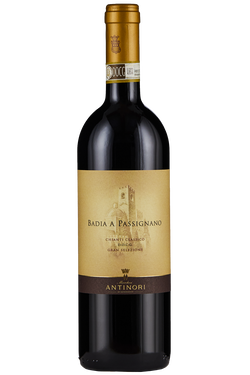
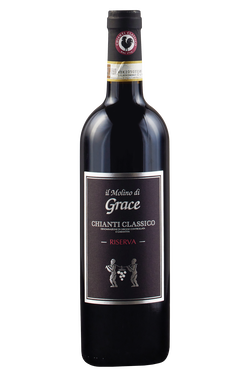
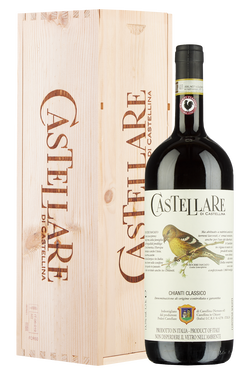
The history of Chianti Classico is directly linked to that of its territory, where the wine-making tradition emerged as early as the 12th century. To trace back the origins of the Black Rooster, it is necessary to go back to the legend that describes the dispute between Siena and Florence for control of the territory. It is said that on the crowing of the rooster, two horse riders set off, one from Siena and the other from Florence, and the point at which they met would then determine the border between the two cities. The rider from Florence, who left on the crowing of a black rooster, covered more ground than the rider from Siena, thus gaining more territory. They met at Castello di Fonterutoli, located in present-day Castellina in Chianti. In 1384, the Republic of Florence created the Lega del Chianti, while the earliest documents in which the name Chianti identifies both the production area and the wine produced date back to 1389. In 1716, Grand Duke Cosimo III de’ Medici issued an edict establishing rules and regulations for the correct production of four particular regional wines: Chianti, Pomino, Carmignano and Valdarno di Sopra. Eventually, from the mid-18th century, they began experimenting by mixing different types of grape varieties, trying to identify the characteristics of it before blending to obtain the finished wine.
Production areas of Chianti Classico
The designation of origin Chianti Classico DOCG is reserved for red wines produced in the area of Tuscany which straddles the provinces of Florence and Siena. In particular, Chianti Classico refers to the territory completely covering the municipalities of Greve in Chianti, Castellina in Chianti, Radda in Chianti, Gaiole in Chianti and, in part, the municipalities of San Casciano Val di Pesa and Tavarnelle. Each production phase of Chianti Classico, from the vineyard to the bottle, must take place within these boundaries. It was indeed the abovementioned edict of Cosimo de’ Medici that first defined the boundaries of the areas within which Chianti wines could be produced and established a congregation to monitor the production and shipment, fraud prevention and trade of the wine. Another characteristic that must be present in order to class a wine as Chianti Classico is linked to its composition. It must in fact be produced with a minimum of 80% of Sangiovese grapes - the main variety of the area – and with a maximum of 20% of other red grape varieties.
Sangiovese and other varieties of Chianti Classico
The indisputable star of Chianti Classico is Sangiovese, an Italian black grape variety very widespread in Tuscany. It is a variety with good adaptability and tendency to abundant production. Sangiovese is in fact extremely versatile, under the right conditions, it produces wines of great finesse and longevity, such as Brunello di Montalcino, Nobile di Montepulciano and Morellino di Scansano. Canaiolo, Colorino, Cabernet Sauvignon and Merlot are the other red grape varieties permitted up to a maximum of 20% in the production of Chianti Classico. While white grape varieties include Malvasia and Trebbiano which can be up to a maximum of 6% of the total. A protocol dating back to 1996 regulates the production of Chianti Classico and the cultivation of its vines, to guarantee that the wine maintains all its characteristics. It should also be noted that the vineyards must be located on soils at an altitude of no more than 700 metres above sea level.
Pairings with Chianti Classico
Chianti Classico is a decidedly versatile wine. While traditional Tuscan recipes have always lent themselves to being enjoyed at the table with a “good glass” of Chianti Classico, over the years they have been successfully combined with dishes from many other international cuisines. Excellent for accompanying grilled red meats, game dishes, roasts, braised meats, or aged cheeses, Chianti Classico has passed the test with brilliant success with completely unusual pairings, including ethnic dishes, some very spicy, from Chinese and Indian cuisine, as well as Japanese sushi, which has now become part of our gastronomic habits. Finally, if you're invited to dinner at someone's house and show up with a bottle of Chianti Classico, you're sure to look great!